Present simple
Simple everyday sentences with be, have got and common verbs — how children first say who people are, what they have and what they do.
Examples
- I have got two sisters.
- The cat is black and white.

Pre-A1 Starters is the first Cambridge YLE level. These are its 11 key grammar structures, each explained in plain words with exam-style examples. Your child never has to name them; the exam only checks they can understand and use them.
Based on the “Grammar and structures list” in the official Cambridge English YLE Handbook for Teachers: YLE Handbook for Teachers (PDF)
Simple everyday sentences with be, have got and common verbs — how children first say who people are, what they have and what they do.
Examples
Describes what is happening right now, using am/is/are + -ing.
Examples

Short instructions like 'Listen!' or 'Open your book' — the Listening paper is full of them.
Examples

Says what someone is able to do, or asks politely for permission.
Examples

Shows who something belongs to, with 's and words like my, your, his and her.
Examples
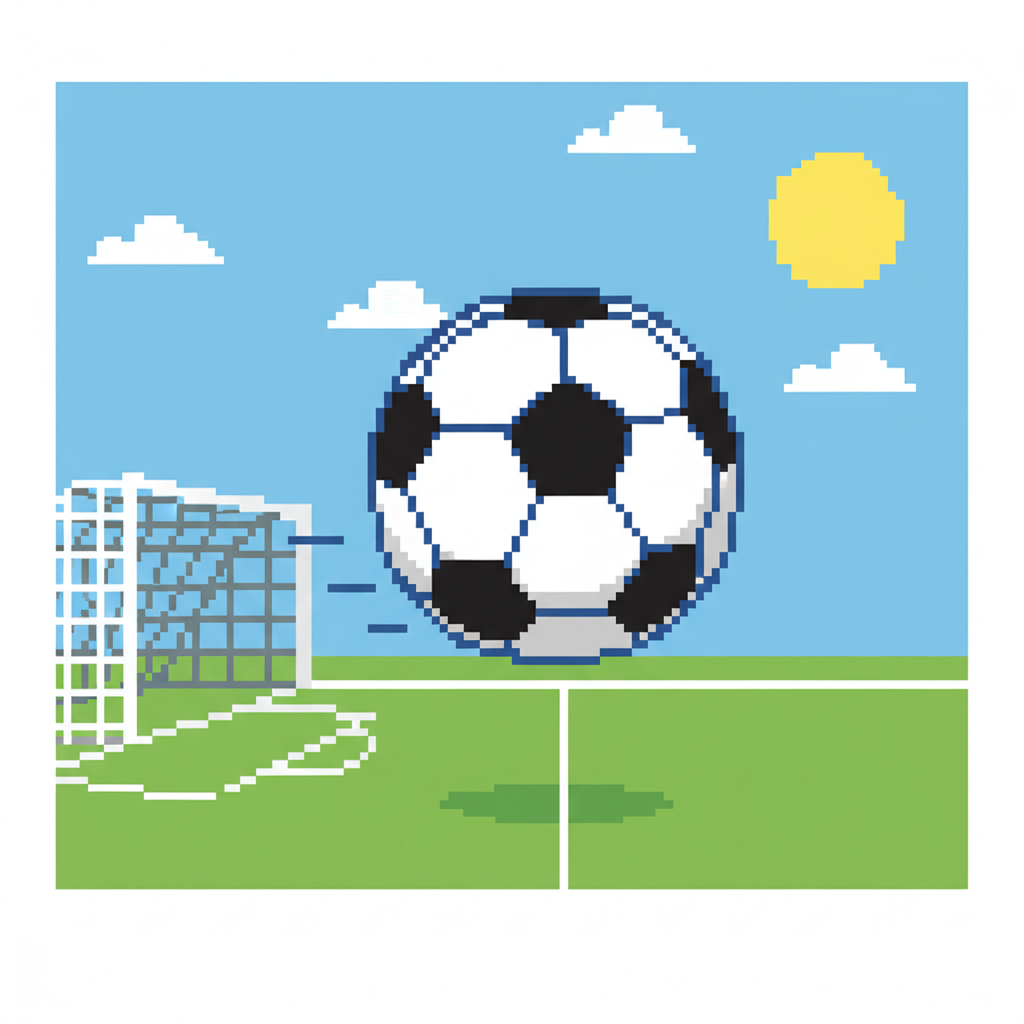
Little words like in, on, under and next to that say where things are — tested constantly in picture tasks.
Examples

The small words a, an and the that go before nouns.
Examples

More than one of something — regular plurals like cats plus common irregular ones like men and fish.
Examples

Words like what, who, where and how many that start questions.
Examples

Says that something exists or is in a place — the classic way to describe a picture.
Examples
Joins two ideas together with and or but.
Examples
No. The Cambridge YLE exams never ask children to name a tense or explain a rule — they test whether a child can understand and use these structures in real sentences, pictures and stories. The terms on this page are for you, the parent; your child just needs plenty of practice hearing and building sentences.
Grammar is tested indirectly everywhere, but it is most visible in the Reading & Writing paper — the gap-fill and sentence-copying parts require children to choose or copy grammatically correct words. In Listening and Speaking, children mainly need to understand the structures when they hear them. There is no separate grammar paper and no pass or fail: children earn up to five shields per skill.
Not with drills or worksheets. At this age grammar sticks through use: reading simple stories, listening, and building sentences in games. Ten minutes a day of playful sentence-building beats an hour of exercises — that is exactly what FlyersEnglish games like Sentence Builder are designed for.
This page is a parent-friendly summary of the “Grammar and structures list” in the official Cambridge English YLE Handbook for Teachers. FlyersEnglish is not affiliated with or endorsed by Cambridge; the official handbook is available from Cambridge English at cambridgeenglish.org.
Kids learn grammar by building sentences, not by reading rule tables. In Sentence Builder your child drags words into exam-style Pre-A1 Starters sentences and sees right away if they got it.